Configuring Tax and Freight Capture

Freight Capture

The Freight Capture setting automatically identifies shipping costs when an invoice is scanned, creating a separate line for those charges on the vendor bill. This is particularly useful for detailed accounting or reporting, as it helps ensure your NetSuite records accurately reflect freight expenses without manual splitting.

To configure the Freight Capture setting, follow these steps:

  1. If you need to separate freight costs automatically, start by going to the Charted OCR Settings page:

  2. To find the specific freight-related options, scroll to the Freight Capture section:

  3. Once you’re ready to make adjustments, click the Edit button at the top of the page to enable editing:

  4. If you prefer to map freight costs directly to an item, select a Default Shipping Item (e.g., FedEx) from the dropdown:

  5. In case you’d rather track these charges as expenses, choose a Default Shipping Expense from the dropdown:

Note: If both item and expense fields are filled, the item selection will take precedence. As long as you leave the Default Shipping Item blank, it would map to the Default Shipping Expense account.

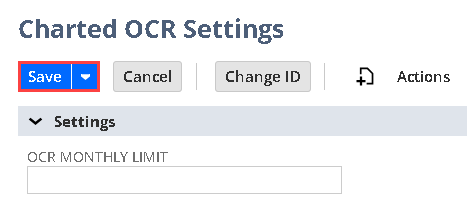
  1. Finally, to let Invoice AI parse and record freight charges on incoming invoices, click Save:

Tax Capture

Tax Capture automatically identifies tax amounts when an invoice is scanned, creating a separate line for those charges on the vendor bill. This allows you to track and report sales tax or other applicable taxes more easily.

Here are the steps in configuring the Tax Capture setting:

  1. If you want to track and report sales tax automatically, go to the Charted OCR Settings page:

  2. To locate where you can configure tax-related fields, scroll down to the Tax Capture section:

  3. Once you’re ready to make changes, click the Edit button to enable editing:

  4. If you prefer associating a specific tax item by default, select a Default Tax Item from the dropdown:

  5. In case you’d rather book these charges as an expense, choose a Default Tax Expense from the dropdown:

    Note: Similar to Freight Capture, if both fields are filled, the Default Tax Item will take precedence.

  6. Finally, to enable Invoice AI to identify tax amounts on incoming invoices, click Save:

Use the matrix below to determine whether Tax Capture is the appropriate feature for your organization:

Scenario
Invoice AI Tax Capture Feature Recommendation
Why

Majority of invoices contain US taxes

Yes

Setup one item or expense account to capture all taxes. Invoice AI will extract the tax amount and create a vendor bill line for taxes to the defined item or expense.

Majority of invoices contain International taxes (VAT/GST/PST)

No

Setup a tax engine in NetSuite to calculate the tax providing flexibility on tax codes and GL accounts. The use of Charted Tax Capture will create a duplicate vendor bill line to the line created by the tax engine.

Tax Engine configured to calculates line level taxes

No

If a tax engine is configured, use that feature to set default tax codes on vendors/items. When creating vendor bill lines, Invoice AI will populate the appropriate vendor and item, which will then pull in the associated tax code you have established through your tax engine.

Subsidiary‑specific Requirements

Maybe

Invoice AI defaults are global and apply to all subsidiaries. If your business needs more flexibility, you may choose to have our setting default and then manually change as needed or opt out of the feature all together.

Tax booking varies invoice‑to‑invoice

Maybe

We support all taxes going to one item/expense. If your business needs more flexibility, you may choose to have our setting default and then manually change as needed or opt out of the feature all together.

Last updated

Was this helpful?